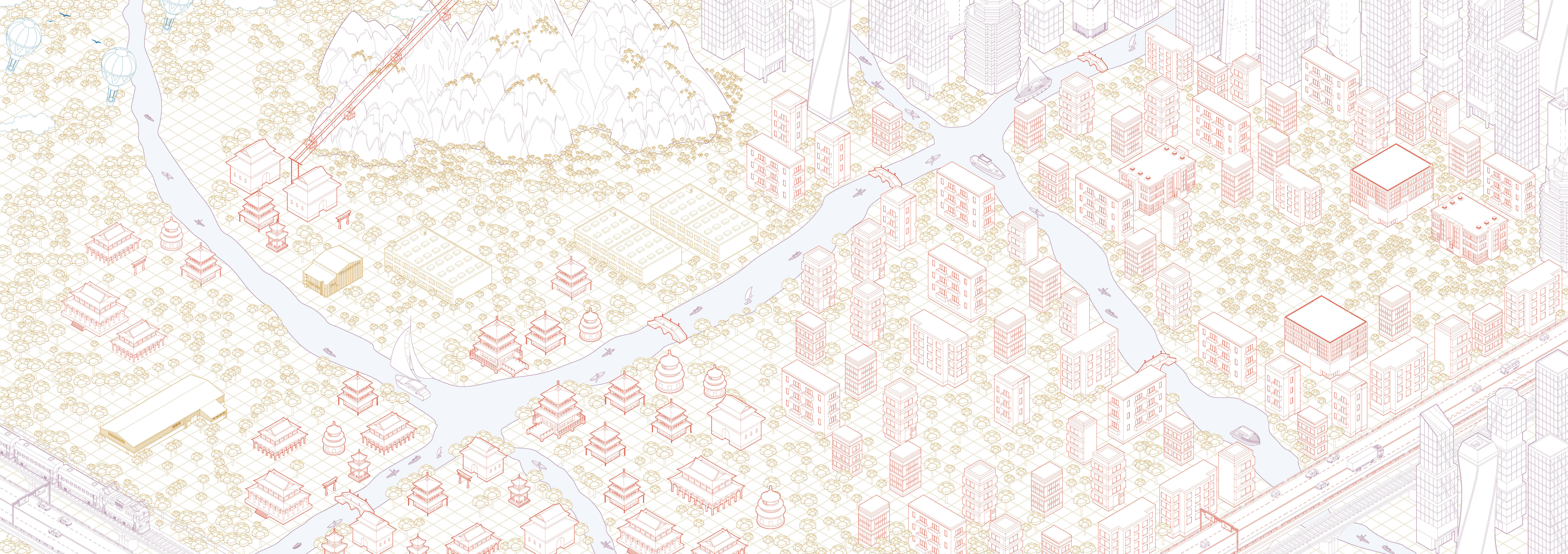
This visionary project explores the intersection of architecture and landscape through a series of interconnected structures that appear to float within their natural setting. The archipelago metaphor guides the design approach, creating a composition of distinct yet related architectural elements.
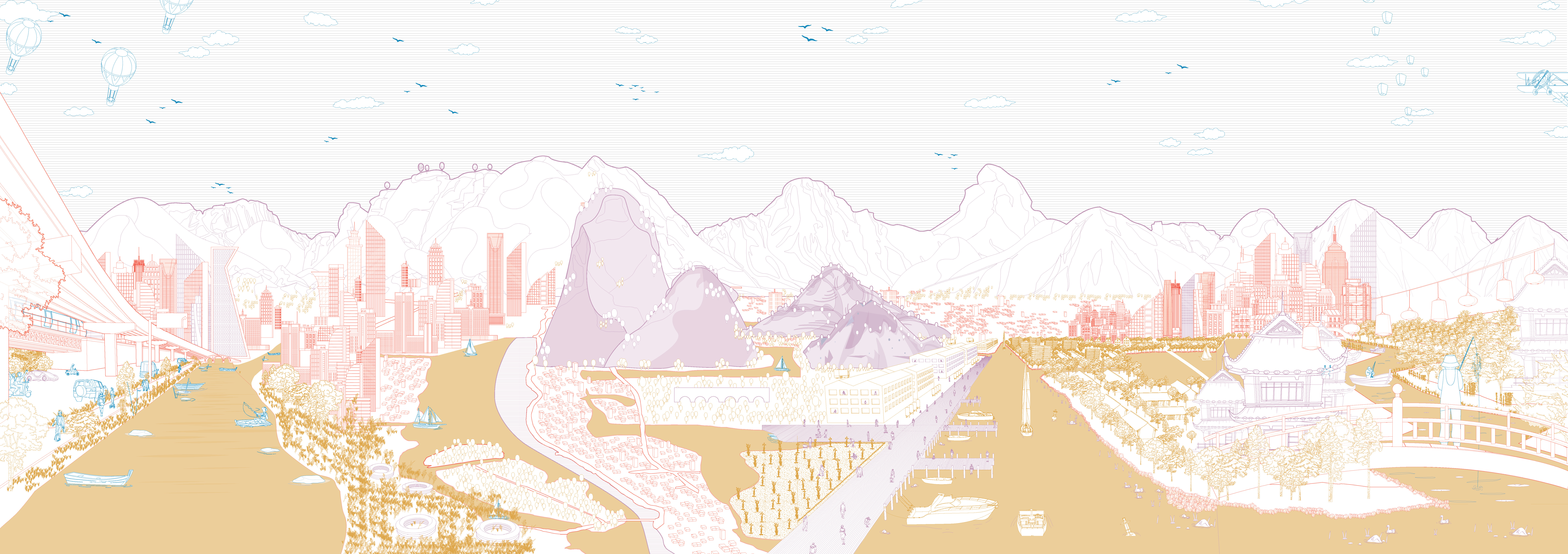
Each building within the archipelago responds to specific site conditions and microclimates, creating a diverse range of spaces and experiences. The architecture works with natural topography, water features, and vegetation patterns to minimize environmental impact while maximizing spatial quality.
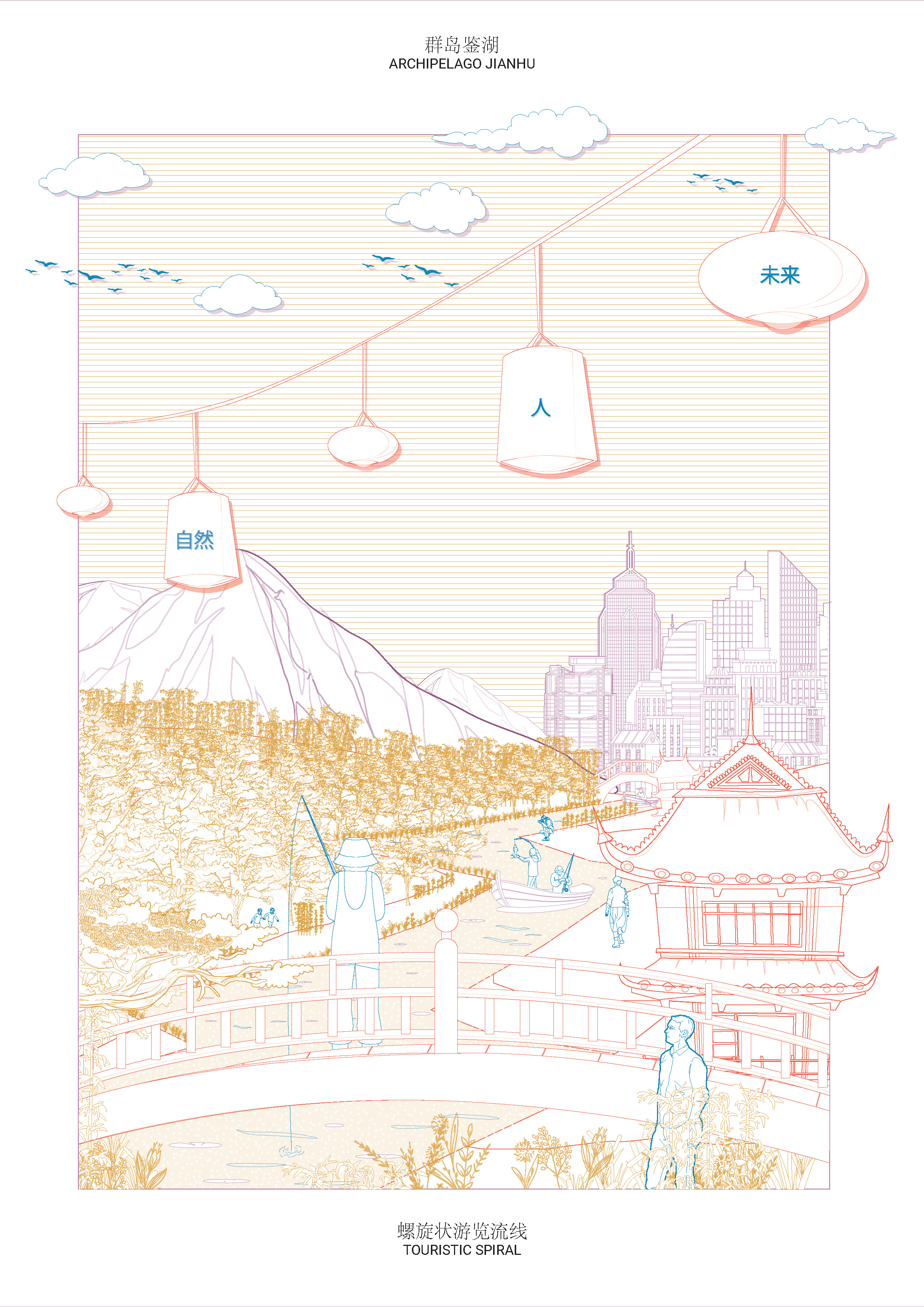
Different "islands" house complementary but distinct programs—residential, cultural, recreational, and commercial—that together create a complete community. This distribution allows each function to find its optimal location while maintaining overall coherence through shared design principles.
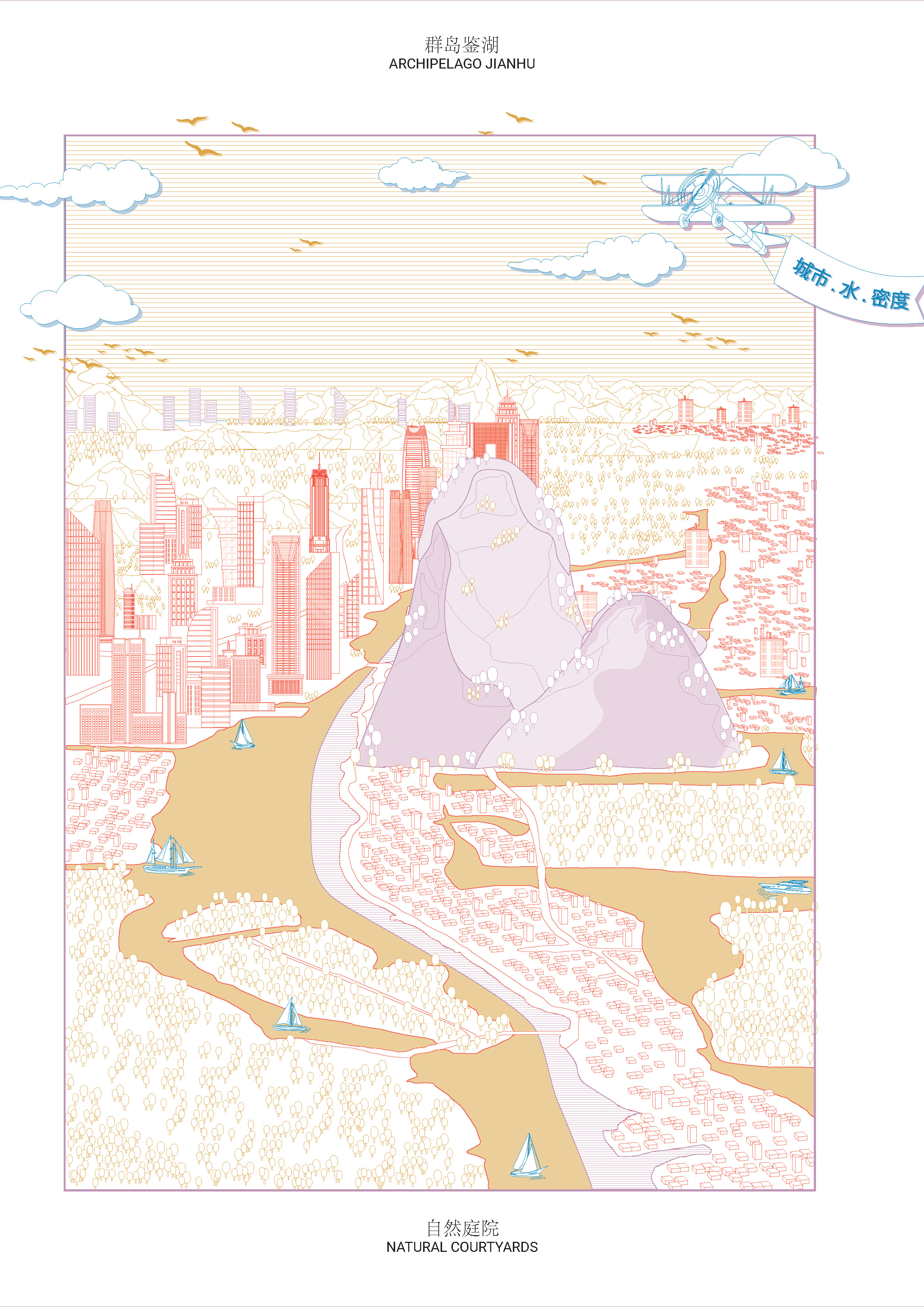
Bridges, pathways, and waterways create connections between the architectural islands, supporting both vehicular and pedestrian movement while preserving the natural landscape. These circulation systems become important social spaces that encourage interaction between different parts of the community.
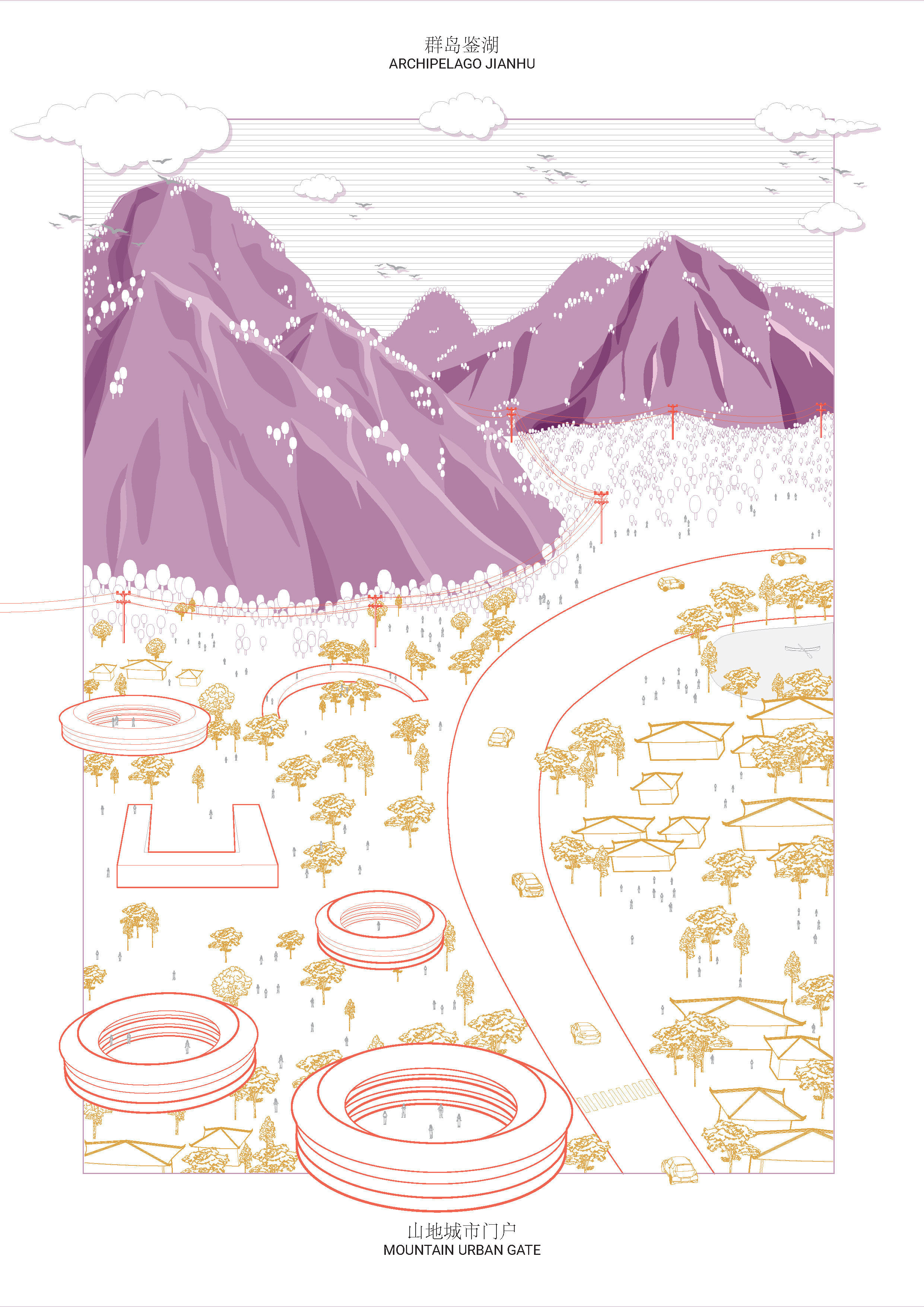
The project demonstrates how architecture can enhance rather than compete with natural systems. Water management, habitat preservation, and renewable energy systems are integrated into the design, creating a model for ecologically sensitive development that respects environmental boundaries.