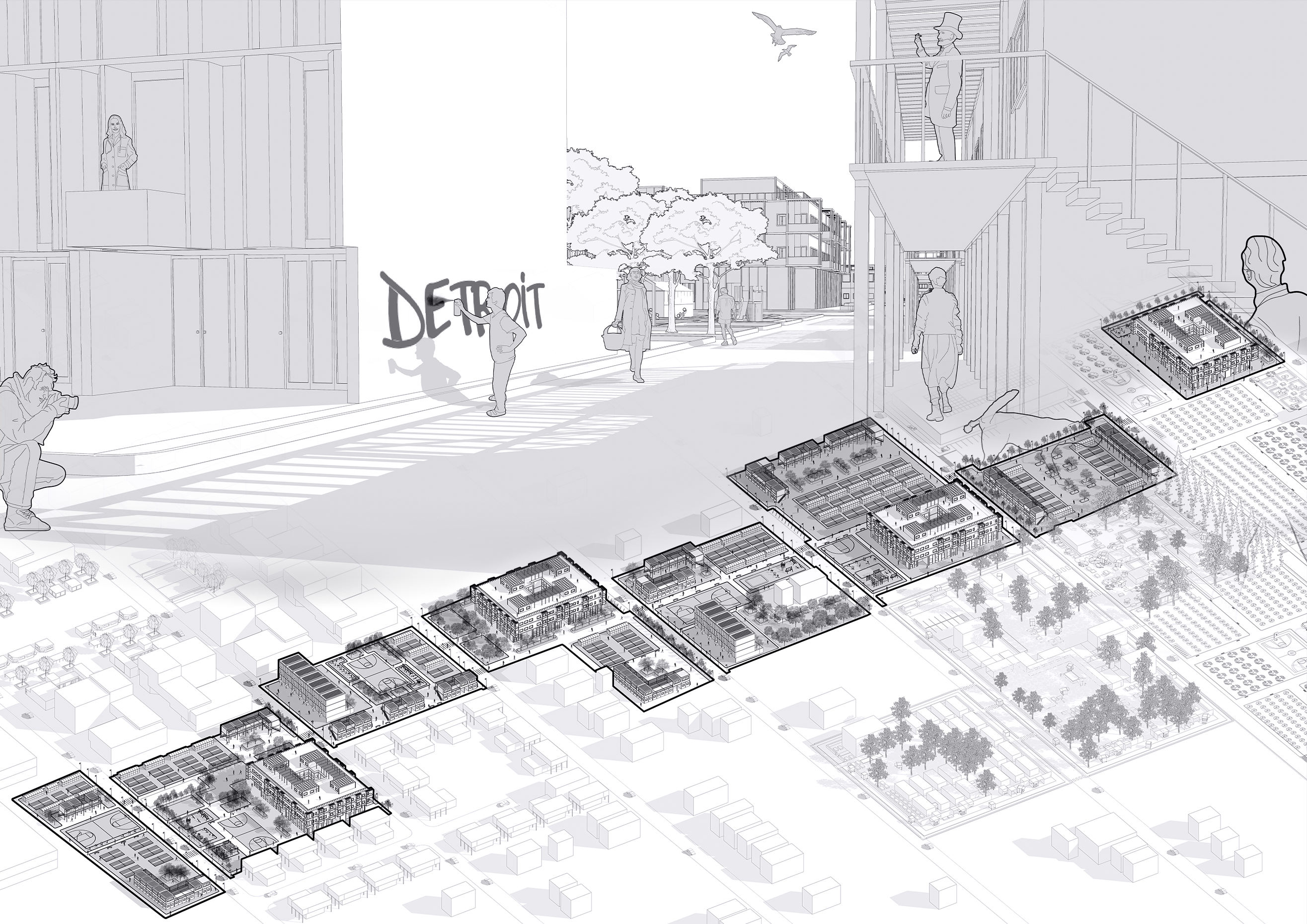
Developed within the context of Detroit's post-industrial transformation, this academic studio project explores new methods of urban intervention through data-driven design and community engagement. The "Remix Detroit – Transformation Database" represents a systematic approach to understanding and reshaping the urban fabric of America's former Motor City.
The project begins with comprehensive mapping and analysis of Detroit's vacant lots, abandoned structures, and active community nodes. This data becomes the foundation for a transformative strategy that identifies opportunities for intervention while respecting existing social networks and informal economies.
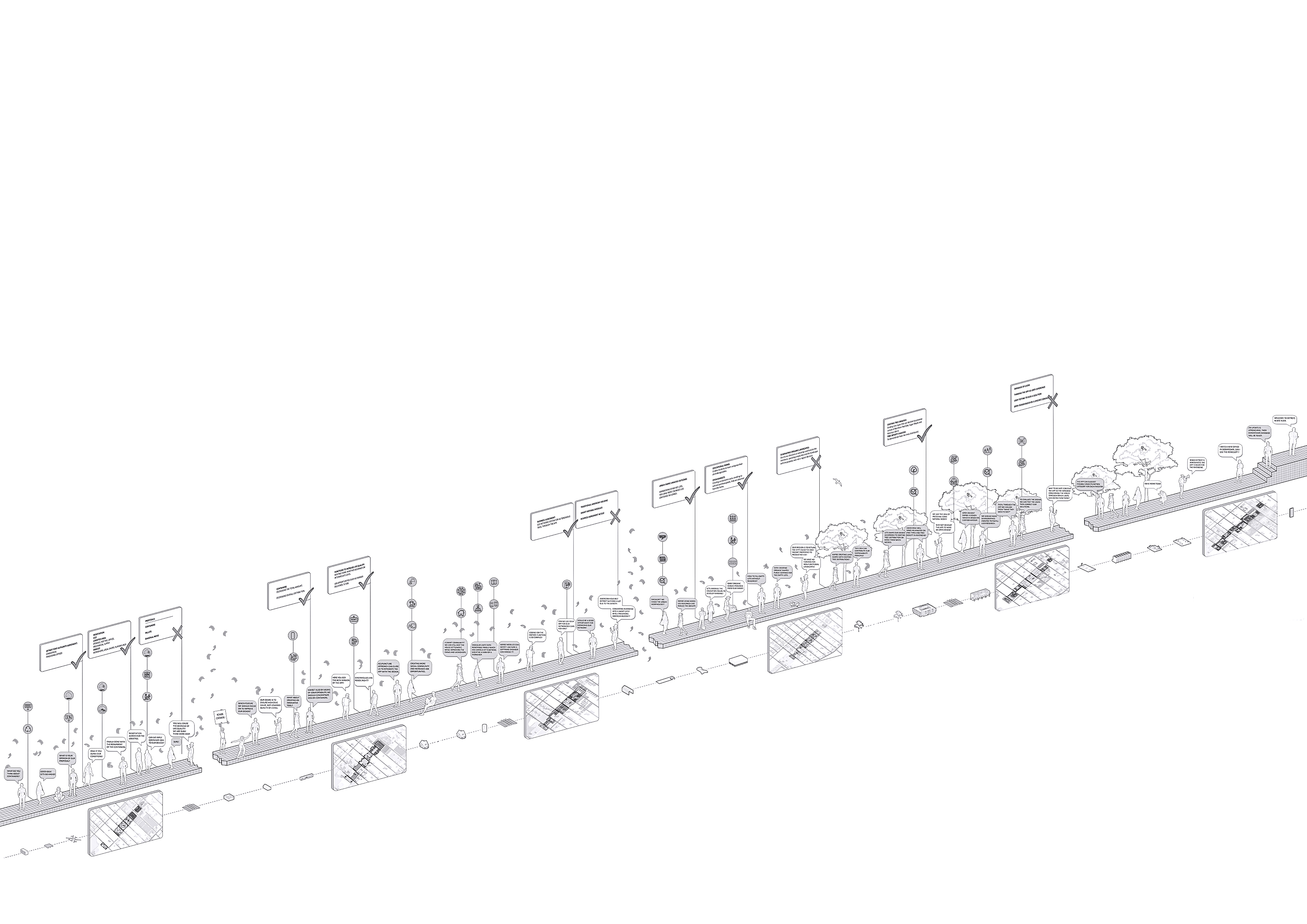
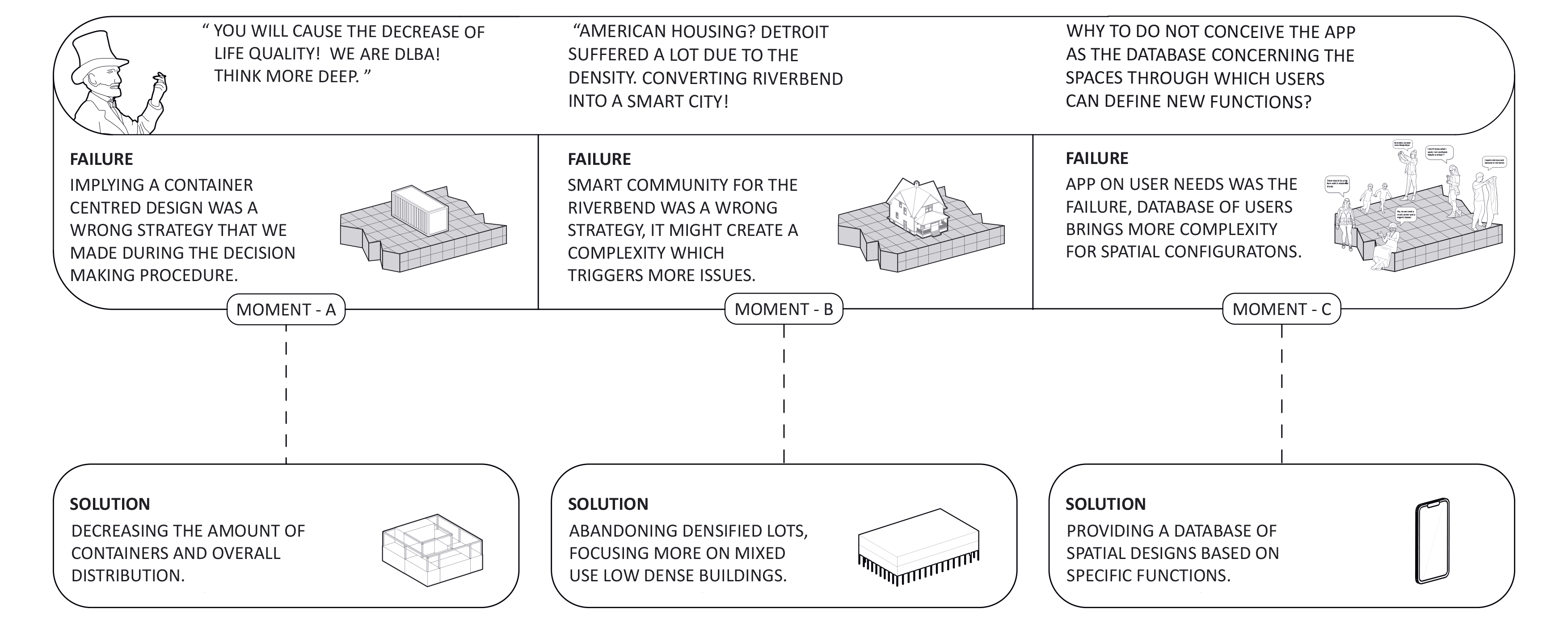
Rather than imposing external solutions, the project emphasizes participatory design processes that involve local residents in identifying priorities and shaping interventions. This approach ensures that proposed changes respond to actual community needs rather than assumptions about urban improvement.
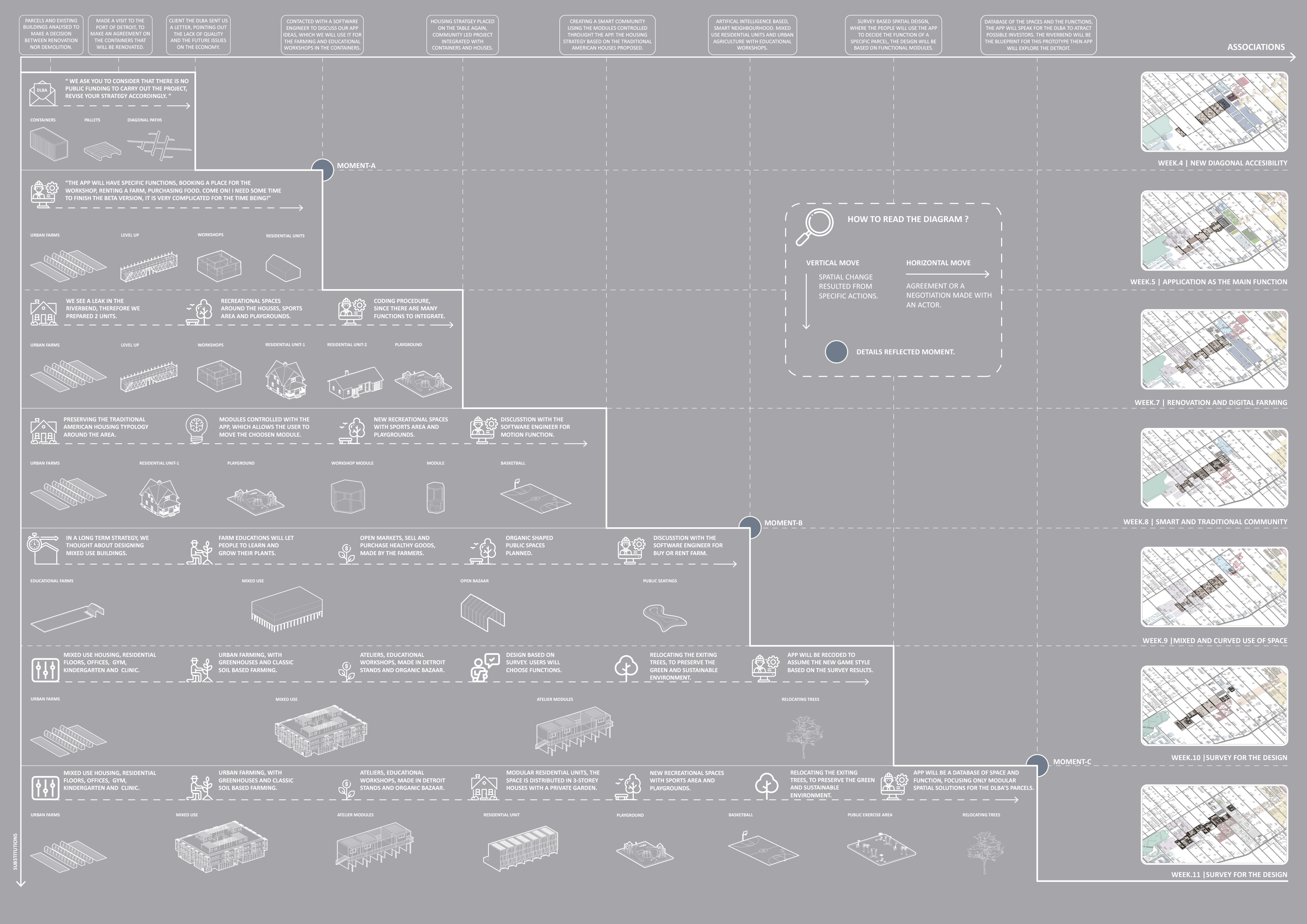
The database catalogs various intervention types—from temporary installations to permanent infrastructure—that can be deployed based on site conditions and community input. This flexible toolkit approach allows for responsive, context-specific solutions that can evolve over time.
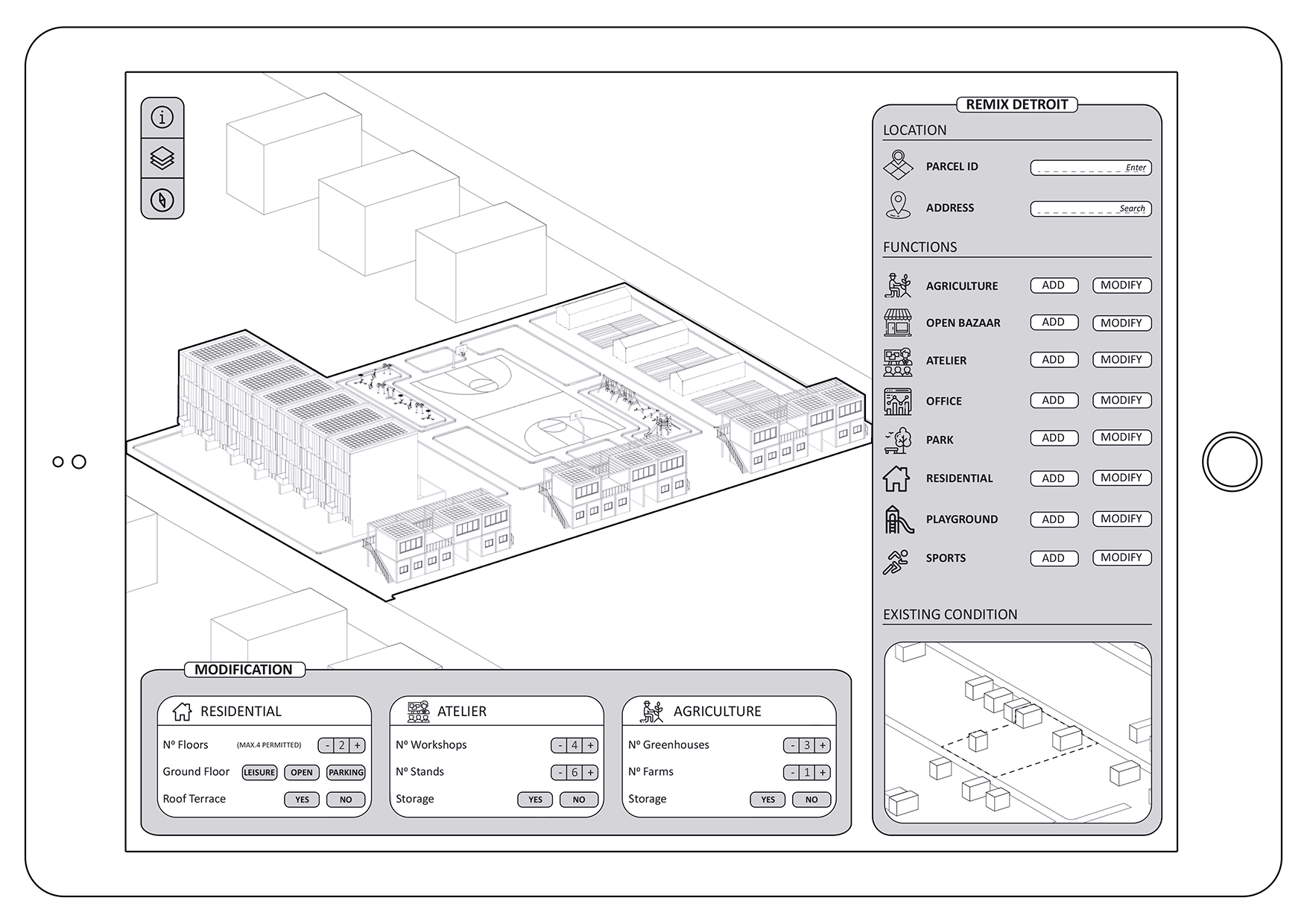
Beyond theoretical frameworks, the project develops practical implementation strategies that address financing, phasing, and maintenance. This holistic approach demonstrates how academic research can directly inform real-world urban development practices in post-industrial contexts.